This article may contain affiliate links. If you click a link and make a qualifying purchase, we may earn a commission — at no extra cost to you. We participate in affiliate programs including ShareASale, CJ Affiliate, and Impact. Full disclosure →
Disclosure: This article may contain affiliate links. We may earn a commission if you sign up through our links, at no extra cost to you. This does not influence our editorial judgments.
Disclosure: XRP Blog may receive a small commission for purchases made through links in this article at no extra cost to you. All opinions remain our own.
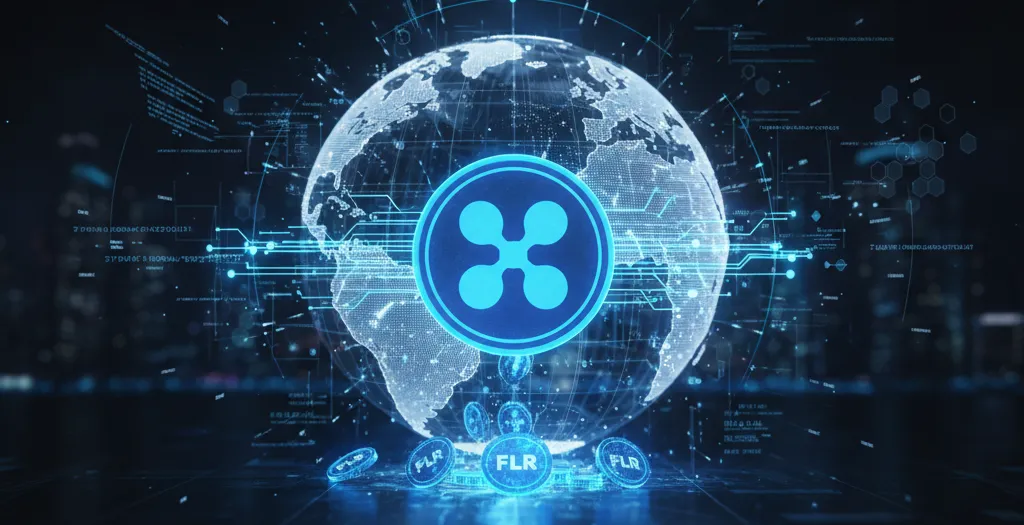
The Flare Network has been one of the most discussed topics in the XRP community since its initial announcement. Designed as a utility fork of the XRP Ledger, Flare brings Ethereum-style smart contract functionality to XRP holders through its airdrop of FLR tokens. Here’s everything you need to know about the Flare Network and its relationship with XRP.
What Is the Flare Network?
The Flare Network is an EVM-compatible blockchain that integrates with the XRP Ledger through specialized protocols. Unlike typical sidechains, Flare operates as its own independent Layer 1 blockchain while maintaining strong interoperability with XRPL.
Key features of Flare Network include:
- EVM compatibility for smart contracts
- Native integration with XRP through the Flare Time Series Oracle (FTSO)
- The ability to use XRP in smart contracts via wrapped tokens
- Decentralized data acquisition methods
The FLR Airdrop to XRP Holders
The original FLR airdrop occurred in January 2023, distributing tokens to XRP holders based on their balances during a snapshot taken in December 2020. This was one of the largest XRP airdrops in history, with billions of FLR tokens distributed.
Airdrop Details
The distribution formula was simple:
- 1 XRP = 1.0073 FLR
- Initial distribution of 15% of total allocation
- Remaining 85% distributed over 36 monthly installments
To participate, XRP holders needed to:
- Hold XRP in a non-custodial wallet or supported exchange
- Register their Ethereum-compatible address
- Claim tokens through the official Flare portal
How Flare Network Enhances XRP Utility
Unlike XRPL Hooks which bring limited smart contract capability to the native ledger, Flare provides full Ethereum Virtual Machine compatibility. This means XRP can participate in:
- DeFi applications
- NFT marketplaces
- Complex smart contracts
- Cross-chain interoperability
The network achieves this through wrapped XRP tokens (FXRP) that maintain 1:1 backing with actual XRP held in custody. This system is similar to how XRP EVM sidechains operate but with Flare’s unique oracle system providing price feeds.
Current Status of Flare Network and XRP Integration
As of early 2026, Flare Network has achieved:
- Full EVM compatibility with XRP wrapping
- Over 200 dApps in its ecosystem
- Daily transaction volume exceeding 500,000
- Successful integration with major DeFi protocols
The FTSO system continues to provide reliable price feeds for XRP and other assets, enabling trustless derivatives and lending markets that utilize XRP as collateral.
Key Takeaways
For XRP holders exploring the Flare Network ecosystem:
- The initial FLR airdrop has completed but monthly distributions continue
- Flare provides the most complete smart contract functionality for XRP
- Wrapped XRP (FXRP) maintains full liquidity with native XRP
- The network continues to grow with increasing developer activity
Flare Network represents one of the most significant expansions of XRP utility beyond simple payments, bringing it into the broader world of decentralized finance and Web3 applications.
Disclaimer: This content is for informational purposes only and not financial advice. Cryptocurrency investments are volatile and high-risk. Always conduct your own research before making investment decisions.
Financial Disclaimer: This article is for informational purposes only and does not constitute financial, investment, or legal advice. Cryptocurrency markets are highly volatile and investments may lose value. Always conduct your own research and consult a licensed financial advisor before making investment decisions. Past performance is not indicative of future results.